
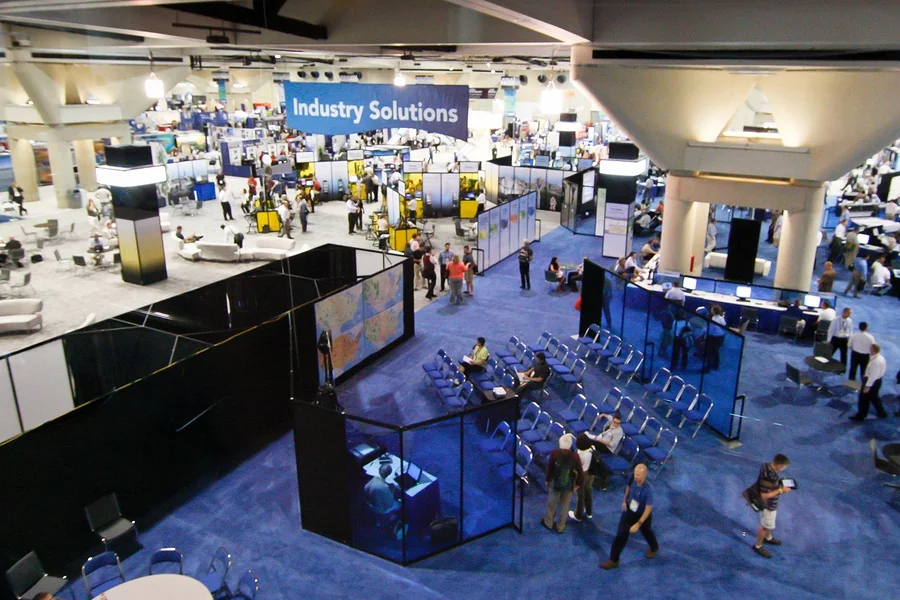
The global food landscape is shifting faster than ever. From AI-driven supply chains to lab-grown proteins, the “tech” in food tech is no longer a futuristic concept—it’s the engine driving the industry. For professionals, investors, and innovators, attending a food tech expo isn’t just about networking; it’s about staying relevant in a market that rewards agility and foresight.
If you’re looking to see where the industry is heading, here are the top 10 food and technology exhibitions you need to have on your radar.
1. THAIFEX – ANUGA
Taking the top spot on our list is THAIFEX – ANUGA Asia. Held annually in Bangkok, this event has cemented itself as the absolute epicenter of food innovation in the Asia-Pacific region. What makes it unique is its sheer scale and “double-threat” status—it’s simultaneously a massive trade fair for food and beverage products and a cutting-edge showcase for the machinery and technology that creates them.
The THAIFEX – ANUGA food tech expo segment is particularly impressive, focusing on everything from automated food processing lines to sustainable packaging solutions that meet global ESG standards. In 2025, the expo is expected to host over 3,000 exhibitors and 85,000 trade visitors. With dedicated zones like the Future Food Experience+ and the Startup Pavilion, it provides a platform where billion-dollar deals are signed alongside the unveiling of the next big breakthrough in alternative proteins.
2. Anuga (Cologne)
The “mother” of all food trade fairs, Anuga in Cologne, Germany, remains the world’s largest and most important meeting point for the industry. While THAIFEX dominates the Asian market, Anuga is the global benchmark. Its 10-trade-shows-under-one-roof concept allows for deep dives into specific sectors, including food technology and organic production. If you want to see the European standards that often dictate global regulations, this is the destination.
3. Gulfood (Dubai)
Gulfood has grown into a global powerhouse, largely due to Dubai’s position as a gateway between the East and West. It is the first major event of the year (usually in February), setting the tone for industry trends. Their “Gulfood Manufacturing” arm is a dedicated hub for food processing and packaging technology, making it a critical stop for those looking to expand into the Middle East and African markets.
4. IFT FIRST (Chicago)
Organized by the Institute of Food Technologists, IFT FIRST (Food Improved by Research, Science, and Technology) is the premier event for the scientific side of food. This is where food scientists, R&D professionals, and academics gather. If you are interested in the molecular level of food tech—think ingredient innovations, food safety sensors, and nutritional science—this Chicago-based expo is unparalleled.
5. Future Food-Tech (San Francisco)
While some expos focus on heavy machinery, Future Food-Tech focuses on the “disruptors.” Held in the heart of Silicon Valley’s ecosystem, this summit brings together VCs, tech founders, and major food brands. It’s a high-level networking event specifically designed to accelerate the commercialization of breakthroughs like cellular agriculture and AI-integrated personalized nutrition.
6. SIAL Paris
SIAL Paris is a biennial giant that rivals Anuga in size. It is famous for the “SIAL Innovation” awards, which have predicted some of the most successful food trends of the last decade. Their technology section covers the entire value chain, with a heavy emphasis on “Industry 4.0” applications in food manufacturing, such as robotics and big data analytics for waste reduction.
7. Foodtech (Athens)
Greece might not be the first place you think of for high-tech manufacturing, but Foodtech Athens has become a vital regional hub for the Balkans and Mediterranean. It is a specialized professional exhibition focused on the production, processing, and packaging of food and beverages. It’s an excellent “boutique” alternative for those who want deep technical conversations without the overwhelming crowds of the larger fairs.
8. Vitafoods Europe (Barcelona)
As the lines between food, tech, and medicine continue to blur, Vitafoods Europe has become essential. Now moving to Barcelona for 2025, this expo focuses on the “nutraceutical” industry. It’s the best place to see how technology is being used to create functional foods—products that don’t just fill you up but actually improve your health through bio-available ingredients.
9. Food Ingredients (Fi) Global
Fi Global (which moves between major European cities) is where the “building blocks” of food tech are found. Every new plant-based burger or sugar-reduced soda starts with the ingredients showcased here. The tech aspect comes into play with the extraction methods and stabilization technologies required to make “clean label” products possible at scale.
10. NRA Show (Chicago)
The National Restaurant Association (NRA) Show is the definitive event for the foodservice and hospitality sector. While it’s heavy on the “hotel and restaurant” side, its “Kitchen Innovations” zone is a masterclass in food tech. From autonomous delivery robots to smart ovens that reduce energy consumption, it shows how technology is solving the labor and cost crises in the modern kitchen.
Why These Expos Matter for Your Business
Attending a top-tier expo is no longer just about collecting brochures; it’s about competitive intelligence. Here is what you should be looking for in 2025:
- Sustainability Tech: Moving beyond just “recyclable” to “regenerative.” Look for tech that upcycles food waste into high-value ingredients.
- AI Integration: From predictive maintenance in factories to AI-generated flavor profiles, the software is becoming as important as the hardware.
- Supply Chain Resilience: Technology that allows for total transparency and traceability, ensuring food safety in an increasingly complex global market.
Conclusion
Whether you are looking at the massive halls of THAIFEX – ANUGA in Bangkok or the high-level boardrooms of San Francisco, the 2025 food tech circuit is where the future of our dinner plate is being decided. The companies that win in the next decade will be the ones that embrace these technological shifts early.