
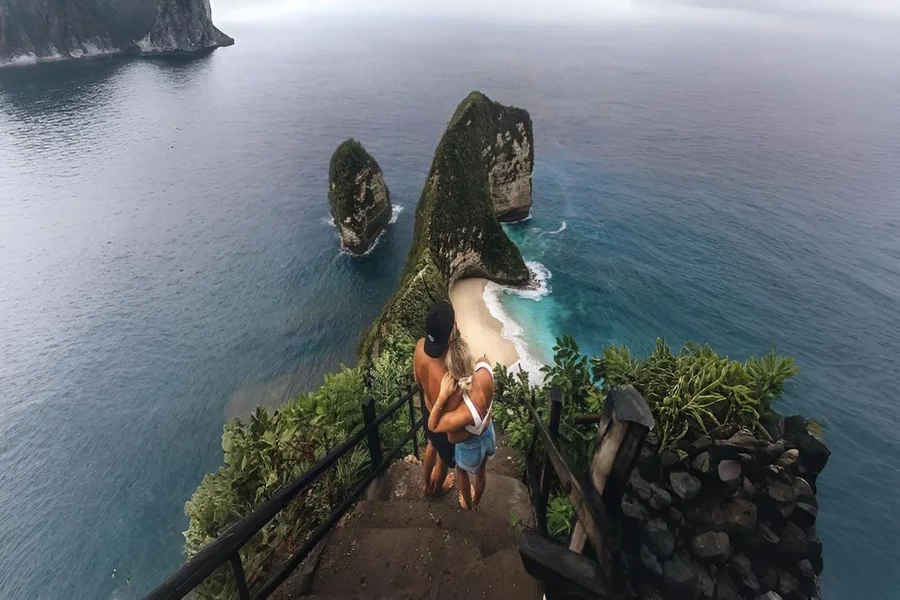
Bali has one of the most favorable cost-to-experience ratios of any major travel destination in the world. The island’s temples, rice terraces, volcanic landscapes, and cultural ceremonies are free or nearly free to access. Its food, at the warung and street stall level, is excellent and inexpensive. Its budget accommodation, particularly in Ubud and the established tourist areas of the south coast, delivers a quality that most other markets cannot match at the same price point. Traveling Bali on a budget does not mean traveling it poorly. It means knowing where the money makes a difference and where it does not, and building an itinerary around that knowledge.
Setting a Realistic Budget for Bali
Before building an itinerary, it helps to understand what a genuine Bali budget looks like across the main spending categories.
1. Accommodation
Budget accommodation in Bali covers a wide range, from dormitory beds in Canggu and Ubud at under USD 15 per night to private guesthouses with air conditioning and a small pool at USD 25 to 35. The quality floor at the lower end of the private room market is higher than in most comparable destinations: a USD 25 guesthouse in Seminyak or Ubud will typically include daily breakfast, air conditioning, and access to a shared pool. The main variables to check in advance are noise level, Wi-Fi reliability, and the responsiveness of the staff to pre-arrival questions, none of which are captured reliably by star ratings or aggregate scores.
2. Food
Eating at warungs, the small family-run eateries that serve Balinese and Indonesian standards, keeps daily food costs well under USD 10 per person including drinks. A plate of nasi campur with rice, several meat and vegetable preparations, and sambal costs between IDR 20,000 and 40,000 at a typical warung, which translates to roughly USD 1.25 to 2.50. Moving into mid-range restaurants adds cost without always adding quality; some of the best food on the island is served at the humblest establishments. The budget traveler’s advantage in Bali is that eating local is both the cheapest and often the most rewarding option.
3. Activities and Transport
Most of Bali’s natural and cultural sites have nominal entrance fees, typically between IDR 15,000 and 50,000. Temple visits, rice terrace walks, waterfall hikes, and coastal exploration cost very little at the point of entry. The main activity cost variables are guided experiences, water sports, and organized day trips. For budget travelers who want to cover several areas of the island efficiently without renting a scooter, comparing the cost of a well-structured bali tour package against the cumulative cost of ad hoc transport and individual entrance fees often produces a closer result than expected, particularly for multi-stop days where a day driver is the most practical option.
Days 1-2: South Coast on a Budget
The south coast has a reputation as Bali’s most expensive area, which is accurate at the top end of the market and misleading as a general description. Budget accommodation and affordable eating are available throughout Seminyak, Canggu, and Kuta for travelers who know where to look.
4. Where to Stay on the South Coast
Kuta has the highest concentration of budget guesthouses on the south coast and is the most affordable area for accommodation within easy reach of the beach. The area has a commercial density that puts some travelers off, but for a short stay focused on beach access and low cost, it is the most efficient base. Canggu has a younger, more creative character and a strong hostel and budget guesthouse scene centered around the Batu Bolong area. Seminyak has fewer true budget options but several small guesthouses set back from the main strip that offer private rooms with air conditioning at competitive prices.
5. Free and Low-Cost Activities on the South Coast
The south coast’s best experiences are largely free. Seminyak Beach and the long stretch of sand running north toward Canggu requires no entrance fee and offers one of the more spectacular sunset views available anywhere on the island. Petitenget Temple is free to enter with a sarong and accepts a small donation. The Canggu waterfront, accessible on foot or by bicycle along the rice field paths that cross the area, provides hours of exploration at no cost. The beach clubs that dominate the south coast’s reputation require either a minimum spend or a day bed fee, but they are not the only way to spend time at the water, and the best stretches of beach are accessible without them.
6. Eating Well for Less on the South Coast
The warung strip along Jalan Raya Seminyak and the side streets running off it serves some of the best value food on the south coast. Warung Murah near Batu Bolong in Canggu and the local eating spots around the Kuta central market are the most consistent recommendations from budget travelers for quality at low prices. The rule of thumb is that any establishment with a menu in multiple languages and photographs of the dishes will charge tourist prices; the establishments with a handwritten board in Indonesian will charge local prices. Both are accessible to visitors, and the difference in cost for an equivalent meal is significant.
Days 3-4: Ubud Without the Premium
Ubud has a reputation as an expensive destination within Bali, driven largely by its wellness and luxury villa market. At the budget level, it is one of the best-value areas on the island, with a strong guesthouse scene, excellent cheap food, and a concentration of free and low-cost cultural experiences that no other area matches.
7. Budget Accommodation in Ubud
The streets running off Jalan Hanoman and Jalan Monkey Forest have the highest concentration of budget guesthouses in Ubud, many of which are family-run properties offering private rooms with breakfast for under USD 25 per night. The quality of these guesthouses is generally high by budget travel standards: clean rooms, reliable Wi-Fi, and the kind of personal service that large hotels cannot replicate. Booking directly with the property rather than through a platform often yields a better rate, particularly for stays of three nights or more.
8. The Free Cultural Circuit
Ubud’s main cultural sites are either free or carry a nominal entrance fee. Pura Taman Saraswati, the lotus pond temple in the center of town, is free to enter. The Campuhan Ridge Walk begins a ten-minute walk from the main intersection and costs nothing. The morning market runs until 9am and provides the most direct access to local commercial life on the island at no cost beyond what is spent on fruit and snacks. The Agung Rai Museum of Art and the Neka Art Museum both charge entrance fees that are worth paying for travelers with an interest in Balinese painting and sculpture; the Blanco Renaissance Museum is free with a drink purchase at the cafe.
9. The Rice Terrace Walk Without the Entrance Fee
The Tegallalang rice terraces charge entrance fees at multiple points along the main viewing area, and the commercial development around them has made the experience increasingly removed from the actual landscape. The alternative, which most budget travelers who have done their research prefer, is to walk the rice terrace paths in the Penestanan and Sayan areas west of Ubud, which are free to access and significantly less crowded. The terraces here are as beautiful as Tegallalang and the walk connects several village temples and traditional family compounds that add cultural context to the landscape.
Day 5: A Budget Day Trip to the East or North
A single day trip beyond the south coast and Ubud gives a five-day budget itinerary a sense of geographic range that stays within cost.
10. The East Coast on a Shoestring
The east coast around Candidasa and Padangbai is accessible by public bemo from Ubud for a fraction of the cost of a private driver. The journey takes about 90 minutes and involves a change in Gianyar. Padangbai is a small port town with a clear water beach that is the best snorkeling spot accessible by public transport on the island. The Blue Lagoon beach, a 15-minute walk east of the ferry terminal, has a healthy reef and calm water that suits swimmers of all levels. A day trip from Ubud to the east coast and back, using public transport and eating at the local warungs around the harbor, can be completed for well under USD 15 including transport, food, and snorkeling gear rental.
11. The Gianyar Night Market
For budget travelers based in Ubud, the Gianyar night market is worth an evening trip regardless of the wider itinerary. The market is 20 minutes east of Ubud by scooter or hired transport and is the best street food destination on the island. Babi guling, nasi campur, sate lilit, and a range of Balinese sweets and snacks are all available at prices that reflect a local rather than tourist market. An evening at Gianyar costs very little and provides a more authentic introduction to Balinese food culture than most restaurant experiences at any price point.
Days 6-7: Return South and Departure
The final days back on the south coast close the itinerary with beach access and proximity to the airport, without requiring significant additional spending.
12. Free Sunsets and Final Evenings
The best sunsets in Bali are free. Tanah Lot temple, about 20 minutes north of Seminyak, is the most famous sunset viewing point on the island and charges a modest entrance fee. The beach at Echo Beach in Canggu and the clifftop path at Uluwatu are free to access and produce sunsets that are among the most dramatic available anywhere on the island. Budget travelers who have spent the week at warungs and guesthouses have typically accumulated enough in savings to justify a single splurge dinner on the final evening, and the south coast’s restaurant scene provides good options across a wide range of price points.
13. The Airport Run Without the Overcharge
The final logistical decision of a budget Bali trip is the airport transfer. The unofficial drivers outside the terminal charge rates that are significantly above the going rate, and the Blue Bird taxi counter inside the terminal offers a metered alternative that is more reliable. For travelers who have used the Grab or Gojek apps during the trip, the designated ride-hailing pickup area outside the terminal provides a further option at a competitive price. Resources like Bali Touristic provide useful context for comparing transport options and activity costs across different areas of the island, which is worth reviewing during the planning phase for a budget trip where every spending decision has more weight.
What a Budget Bali Trip Actually Costs
A well-planned seven-day Bali trip, using budget guesthouses, eating predominantly at warungs, using public and shared transport where practical, and selecting free or low-cost versions of the main cultural and natural experiences, can be completed comfortably for between USD 40 and 60 per person per day including accommodation, food, transport, and activities. At the lower end of that range, the trip requires more planning and more willingness to eat and move like a local. At the upper end, it allows occasional mid-range meals, pre-arranged private transport for the key day trips, and a guesthouse with a private pool. Neither version is a compromise. Both are genuinely good ways to experience Bali, and the island’s qualities are accessible across the full range.
