
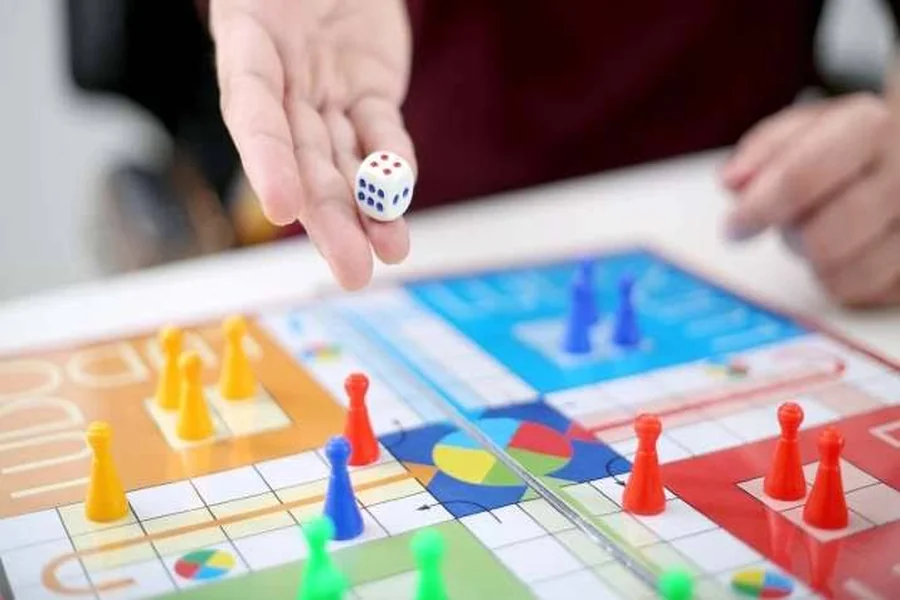
The basic rules of a board game can remain familiar for years, yet familiarity alone is not enough to keep a player interested in the game. When a player is able to predict the moves that another player will make, it can make the game less exciting for the player. A game becomes more interesting when different opponents, varying match situations, and a competitive atmosphere are introduced into the game. Within a ludo tournament, the individual matches that take place between players are given additional context, and the tournament encourages players to think beyond the individual game itself.
However, it is not just the number of matches in a tournament that ensures that players remain interested in a tournament. The way that those matches play out, the individuals who play those matches, and the decisions that are made by those players will all contribute to the players’ interest in the tournament.
Different Opponents Keep Familiar Matches From Feeling the Same
The board may look the same at the start of every game, but opponents can change the entire direction of a match. One person may move cautiously, keeping tokens apart and avoiding unnecessary risks. Another may push forward aggressively and create pressure whenever an opportunity appears.
That difference matters because players cannot rely on one fixed approach. A move that worked well against a cautious opponent may create problems against someone who is constantly looking for ways to block progress or send a token back.
There is also an element of observation involved. As the match develops, players often begin to notice patterns in how others react. Does an opponent protect a token when it is close to home? Do they focus on moving one token ahead or spread their moves across the board? These small details add a layer of interaction that is difficult to get from repeating the same type of match.
Competition Changes How Players Read the Board
In a casual game, someone may move a token without spending much time considering the alternatives. Once the match carries the context of a tournament, that approach can change. Players may start watching opponents more closely and thinking about what a particular move could create later.
For example, taking a safer route may protect progress, but it could also allow an opponent to gain more space. Moving aggressively may put pressure on another player, yet it could leave a token exposed. These are simple decisions, but they become more interesting when several people are actively trying to improve their own position.
Friendly competition on platforms like Zupee can make close situations more memorable. When two players are approaching the final stages at a similar pace, attention naturally shifts to each turn. A small decision, or an unexpected change in position, can alter the mood of the entire match.
Smooth Game Flow Prevents Engagement From Breaking
Even a well-designed format can lose its appeal when interruptions repeatedly pull attention away from the match. Players become invested when they can follow what is happening, react to opponents, and make decisions without unnecessary distractions.
The flow between turns matters for the same reason. Long pauses can weaken the tension that builds during close situations. Clear visual feedback, understandable movement, and a straightforward progression through the match help keep attention on the board.
Good flow does not mean removing every pause or making the game feel rushed. Players still need enough time to understand a changing situation. The goal is to avoid moments where the game itself becomes harder to follow than the decisions taking place within it.
Why Players May Want to Return
The replay value of a game comes from its variation. Even if the rules are always the same, the combination of different opponents, the choices that must be made, the dice rolls and the tournaments that are played means that no two games are ever the same. Therefore, if you played a game with one player in one tournament, you would likely need to play differently the next time that you play in another tournament with another opponent.
This balance between the elements of the game that are familiar to the players, and the challenges that are presented to them in each game is what ensures that the players continue to have fun. Because players are already familiar with the rules of the game, they can focus on playing in a competitive way against their opponents, rather than having to learn the game each time that they play.
Why Zupee Makes Online Ludo More Engaging
The reason why Zupee makes playing Ludo online more engaging is that it brings the classic game to a digital screen for the players to play online with other opponents. The game has familiar rules to the players of the game, but it offers a competitive game with quick gameplay for all of the players of the game. Zupee is a great option for players that want to compete against others in the game of Ludo online.
Conclusion
An engaging ludo tournament depends on more than the rules of the board game. Match structure, changing opponents, meaningful decisions, progression, and a steady flow can all shape whether the experience remains interesting. In the middle of that experience, Zupee can be viewed as a way for players to enjoy Ludo in a competitive online setting focused on gameplay and interaction. When the format gives each match context while still leaving room for unpredictable situations, familiar rules can continue to produce fresh and enjoyable games that players are happy to return to.
